Embedding Physiological Environments
BioTerrarium · Unity, Apple Watch heart rate & HRV · within-subjects study, n = 24

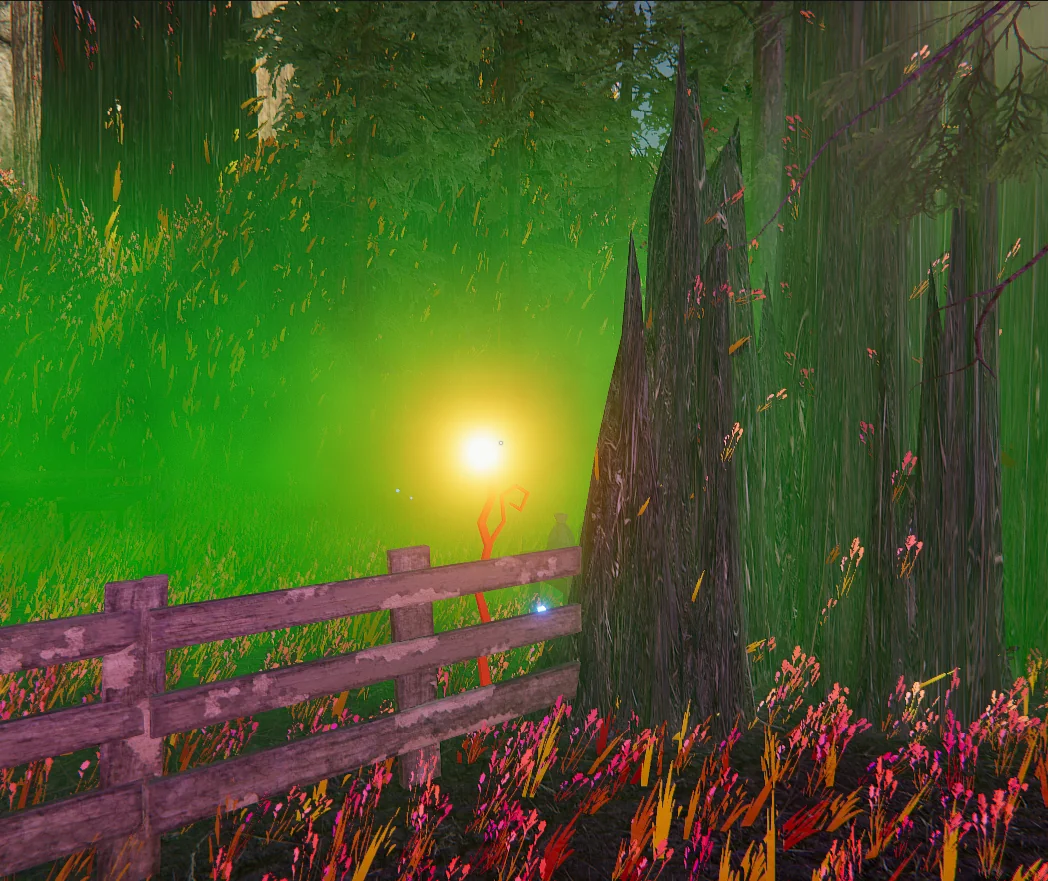
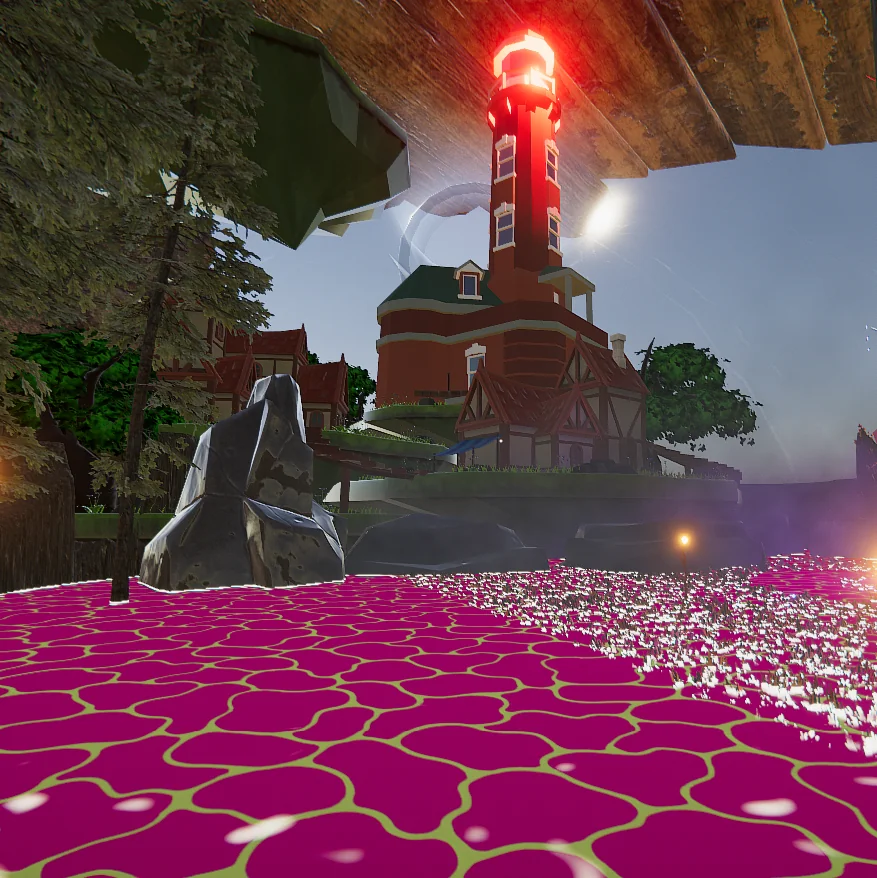
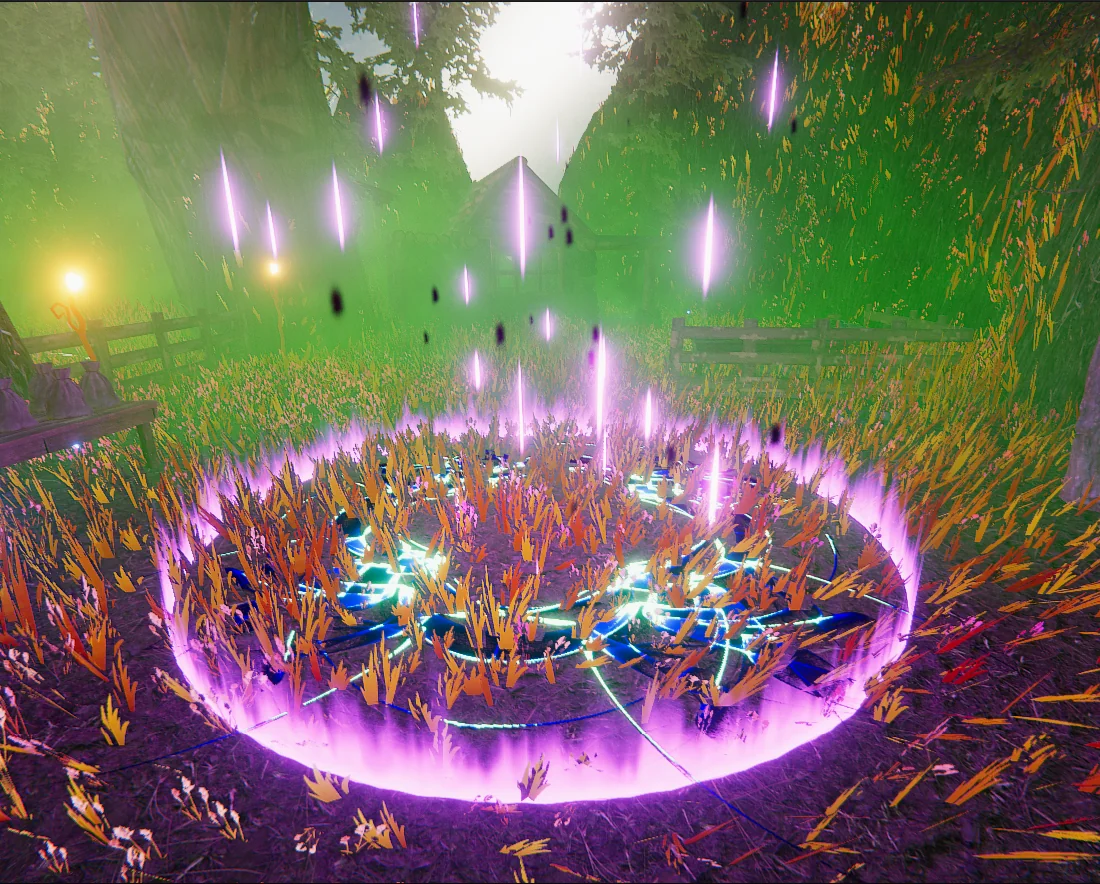
BioTerrarium investigates environmental feedback as a means of communicating physiological state. Implemented as a virtual glass ecosystem, it maps heart rate and heart rate variability (HRV) to fog, vegetation, light, and visual clarity. Calm physiological states correspond to increased growth and visibility, while elevated stress changes the environment's atmosphere. The research examines how these spatial and visual cues can support awareness of bodily signals without numerical displays.
System Demonstration
System Architecture
The system collects heart rate data from an Apple Watch Series 7 through Apple HealthKit. A Swift application transfers the data to Unity through a WebSocket connection with less than 100 milliseconds of latency. A resting baseline of two minutes establishes an individual reference for each participant. Subsequent readings are normalized against this baseline and classified into four regulation zones: Coherent Calm, Focused Arousal, Stress Escalation, and Dysregulated Overdrive. These zones control fog density, vegetation growth, light diffusion, and shader blur at ten updates per second.
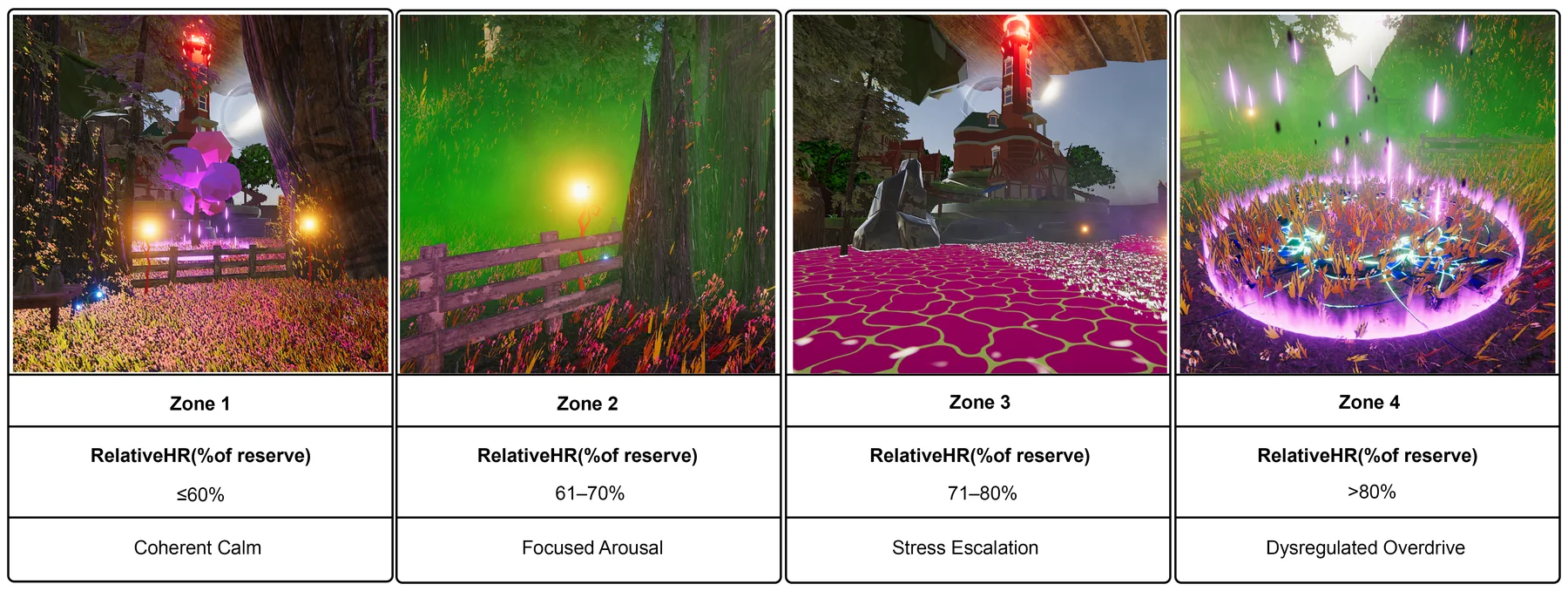
Environment Design
Evaluation and Key Findings
I evaluated BioTerrarium in a within-subjects study with 24 participants, comparing the bioadaptive environment with an identical environment that changed on a fixed schedule. In the bioadaptive condition, participants had a lower average heart rate, higher HRV, and spent nearly 80 percent of their time in the two calmest zones. They also reported greater mindful attention, more positive affect, less negative affect, and deeper flow. Interview responses indicated that several participants perceived the environment as a calm, reciprocal presence.
Current Status
The paper was submitted to ACM SIGGRAPH 2026 and was not accepted after review and revision. Reviewer feedback informed further study refinement and consideration of an appropriate publication venue. The system and findings continue to inform my research on physiological interaction and responsive environments.